
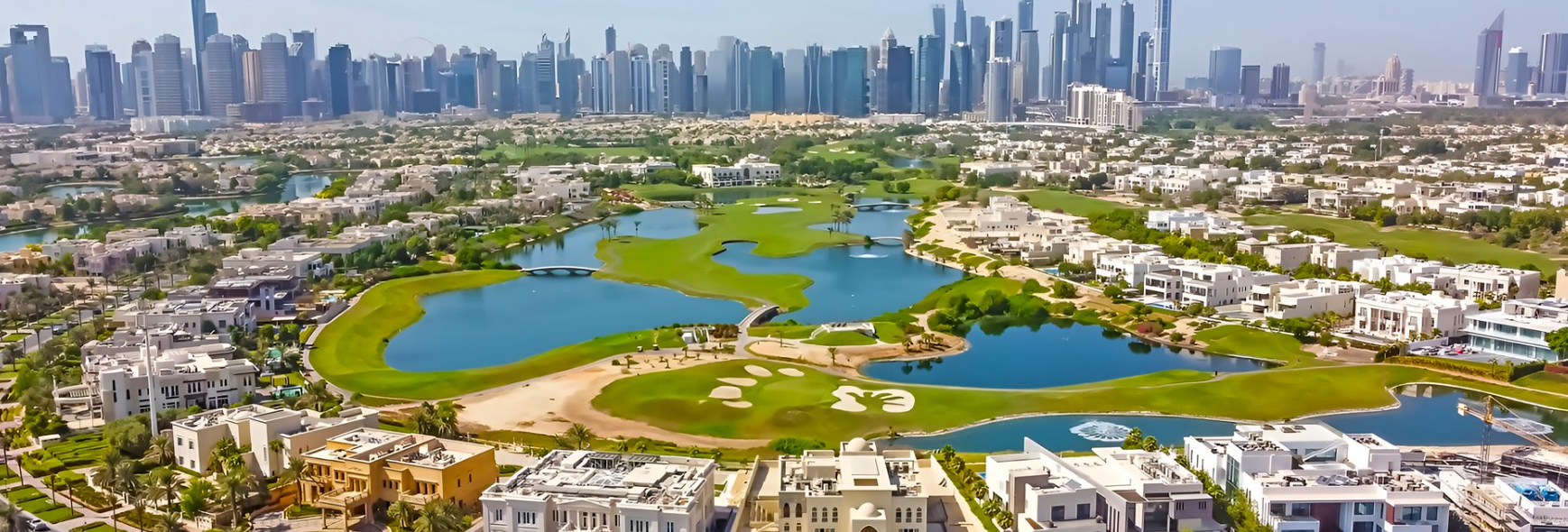
Emirates Hills is one of the few Dubai neighbourhoods where overseas buyers can purchase a large villa on a golf-course plot in a gated, freehold community, and the process is more straightforward than many expect. If you are considering a purchase from abroad, Alcenza Properties Real Estate in Dubai is an agency that helps buyers find and purchase property in the area, and it is a good starting point when searching for the Best real estate agency in Emirates Hills. Because villas here are individual, high-value and often sold privately, the steps below explain how a typical purchase works, what it costs and which checks matter most for someone buying from outside the UAE.
1. Confirm That You Can Buy
Emirates Hills is a freehold community, which means foreign nationals can own property there outright, without a local sponsor and without needing to be a UAE resident. Ownership is registered with the Dubai Land Department (DLD), and the title deed is issued in the buyer’s name.
Before you start, decide how you want to hold the property: in your own name, jointly with a spouse or partner, or through a company. The choice can affect succession, taxation in your home country and administration, so it is worth taking professional advice before you sign anything.
2. Define Your Brief and Budget
Villas in Emirates Hills vary widely. One guide places entry prices from around AED 15 million, and premium golf-course or lake-view homes and renovated or custom-built properties cost much more, but figures differ by source, sector, plot size and condition. Think through:
- Purpose: a primary home, a second home, a long-term rental or a plot for a new build.
- Size and plot: number of bedrooms, plot size and the amount of garden and pool space you want.
- Setting: golf-course frontage, lake view, skyline view or a quieter inner street.
- Condition: a finished, renovated home, an older villa that needs updating or a plot for rebuilding.
- Total budget, including fees and the cost of renovation, furnishing and staff.
3. Choose Your Advisers
International buyers usually work with three kinds of professional:
- A real estate agency that knows the sectors, understands which villas are on or off the market and can arrange viewings. Choose an agent registered with the Dubai Real Estate Regulatory Agency, and ask for their licence details.
- A lawyer experienced in Dubai property, who can review the contract, check the title and advise on ownership structure and estate planning.
- A tax and financial adviser in your home country, to understand any reporting or tax obligations there.
4. Search and View Properties
Many villas in Emirates Hills are sold quietly, so an agent with a network can widen your options. If you cannot travel at first, ask for detailed video tours, floor plans and photographs, but plan at least one in-person visit before committing. During a visit, check:
- The plot’s position and boundaries, and what overlooks it
- The condition of the building, roof, pool, air-conditioning and other systems
- The quality of any renovation work and whether it was properly approved
- Noise from nearby roads, the golf course or neighbouring plots
- Access, parking, staff quarters and storage
5. Make an Offer and Agree the Terms
When you have chosen a property, your agent submits an offer to the seller. Once price and conditions are agreed, buyer and seller sign a Memorandum of Understanding, known as Form F, which is the standard contract used in Dubai resale transactions.
- A deposit of around 10% of the purchase price is typically paid when Form F is signed and held by a regulated trustee or escrow account until completion. Do not pay the seller directly.
- Form F sets out the price, the completion date, the conditions and the consequences if either side withdraws, so have it reviewed by a lawyer.
- Any conditions, such as mortgage approval or a satisfactory inspection, should be written into the contract.
6. Due Diligence
This is the most important stage for a high-value villa. Typical checks include:
- Title and ownership. Verify that the seller is the registered owner and that there are no mortgages, liens or disputes against the property.
- Developer or master community No Objection Certificate (NOC). The seller usually obtains an NOC confirming that there are no outstanding fees, and it is needed before the transfer can proceed. Fees vary.
- Approvals for alterations. If the villa has been extended or renovated, confirm that the work was approved and completed according to the plans.
- Community rules and charges. Ask what service charges and rules apply to the property and the plot.
- Technical inspection. Consider an independent survey, especially for older villas, covering structure, roofing, plumbing, electrical systems, air-conditioning and the pool.
- Plot details. Check plot size, boundaries, easements and any restrictions on future building work.
- Valuation. Compare the asking price with recent registered sales of similar villas in the same sector, not only with listing prices.
7. Financing
Many international buyers pay cash, but financing is available.
- Some UAE banks lend to non-residents. Reported loan-to-value limits vary between sources, from around 50% to 60% in some guides to as high as 75% in others, and lenders apply strict income checks and often have minimum loan sizes. Rates, terms and conditions change, so ask several banks.
- Mortgage buyers should obtain pre-approval before signing Form F and include the mortgage registration fee and valuation costs in their budget.
- Cash buyers must be ready to show the source of funds, as banks, agencies and the DLD apply anti-money-laundering checks.
8. Costs on Top of the Price
Budget for closing costs of roughly 7% to 9% of the purchase price for a cash buyer according to one guide, and a little more with a mortgage, though exact figures depend on the transaction. Typical items include:
- DLD transfer fee: 4% of the purchase price, usually paid by the buyer.
- DLD administrative fee and title deed fee: small fixed amounts.
- Agency commission: commonly around 2% on the buyer’s side, which should be confirmed in writing.
- Trustee office fee: a fixed fee plus VAT.
- NOC fee: typically paid by the seller, but sometimes negotiated.
- Mortgage costs, if used: a registration fee of 0.25% of the loan plus fixed amounts, a bank arrangement fee and valuation costs.
- Legal and survey fees.
- Renovation, furnishing, insurance and staff costs after purchase.
9. Completion and Transfer
Completion takes place at a DLD-approved trustee office, where both parties sign the transfer documents. The buyer pays the balance, usually by manager’s cheque from a UAE bank or another accepted method, as well as the fees. The DLD then registers the transfer, and a title deed is issued in the buyer’s name. Guides generally describe two to six weeks from signing Form F to receiving the title deed for a ready property, although complex deals can take longer.
If you cannot attend, you can appoint a representative through a properly executed power of attorney, but only do so with legal advice and a trusted person.
10. Documents You Will Typically Need
- A valid passport, and sometimes proof of address
- Proof of source of funds
- A signed Form F and the deposit receipt
- The seller’s title deed and NOC
- Mortgage documents, if financing
- A power of attorney, if using a representative
Requirements can change, so confirm the current list with your agent and lawyer.
11. Residency and Visa Options
Property ownership can create a route to UAE residency for some buyers. Sources commonly cite a threshold of AED 2 million for a long-term Golden Visa, which a villa in Emirates Hills would exceed, but the rules, visa durations and conditions have changed several times and are described differently by different guides. Confirm the current requirements with the official authorities before you rely on them in your purchase decision, and remember that residency is a separate application, not an automatic result of owning a property.
12. After the Purchase
- Ownership costs: Budget for service charges, utilities, maintenance, insurance, landscaping, pool care and any staff.
- Renting out: If you plan to let the villa, register the tenancy and check the rules that apply.
- Property management: If you live abroad, a property manager can handle maintenance, security and tenants.
- Estate planning: Consider a will and succession arrangements for your UAE property, since rules can differ from those in your home country.
- Tax: The UAE does not levy an annual property tax on residential villas at the time of writing, but you should check reporting and tax obligations in your home country.
- Currency and transfers: Plan how funds will move, and watch exchange-rate costs.
Common Mistakes to Avoid
- Paying a deposit directly to the seller instead of an escrow or trustee account
- Relying on listing prices without checking registered sales
- Skipping a technical inspection on an older villa
- Not checking approvals for renovations
- Underestimating total costs and ongoing running expenses
- Assuming visa eligibility without confirming the current rules
- Signing a contract that you have not had reviewed by a lawyer
This article is general information and not financial or legal advice. Rules, fees and requirements change, so verify the current position with the Dubai Land Department and qualified advisers before you buy.
Buying a luxury villa in Emirates Hills from abroad is an organised process: agree the price, sign Form F, complete due diligence, arrange funds and transfer title at the DLD. What matters most is the detail, from plot position and building condition to approvals, costs and long-term running expenses. With a trusted agent, a good lawyer and a methodical approach, international buyers can complete a purchase with confidence.